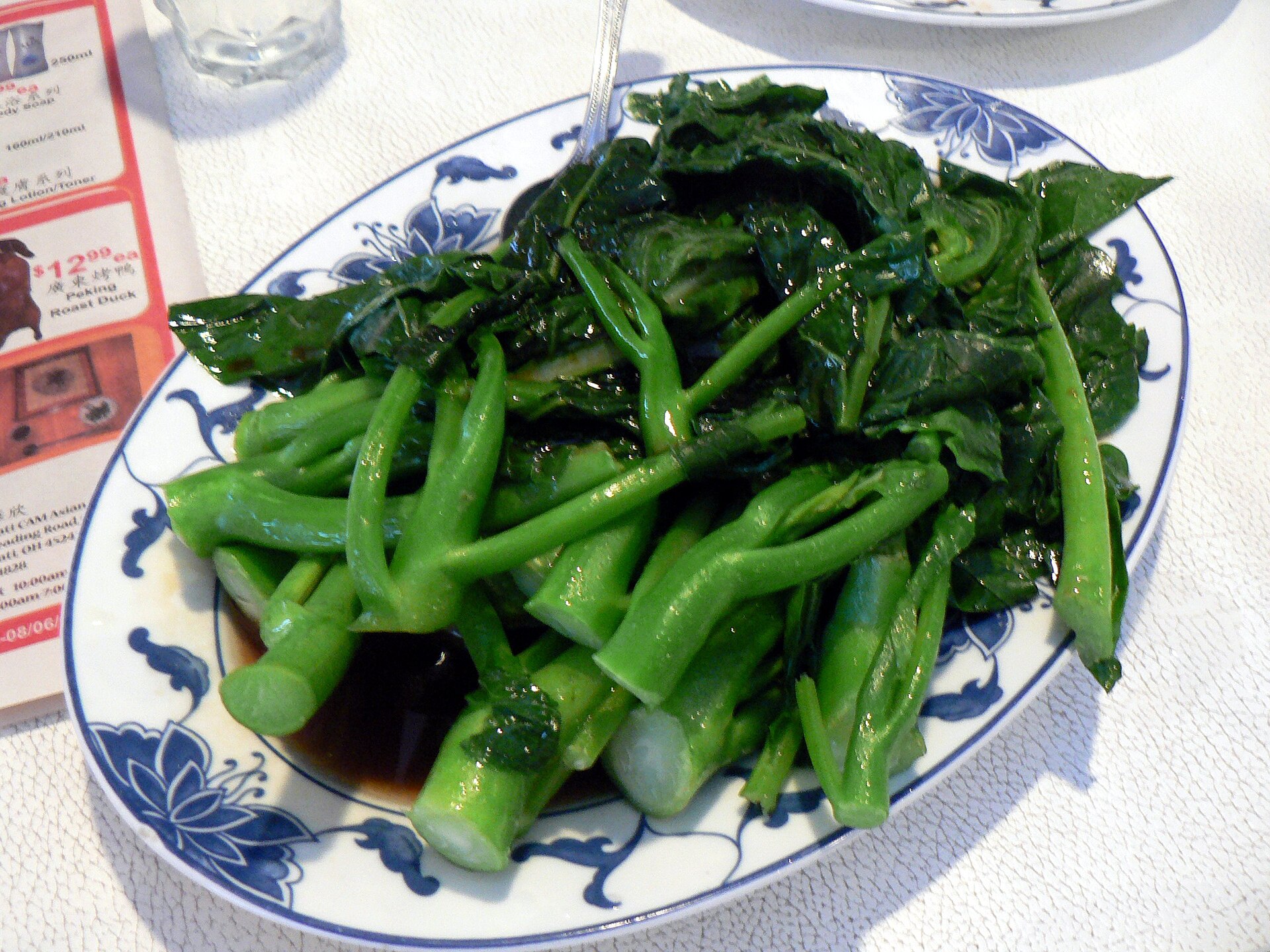
Beijing Cuisine · imperial, wheat-based, roast and noodle classics
Beijing Eggplant Noodles Recipe
茄丁面
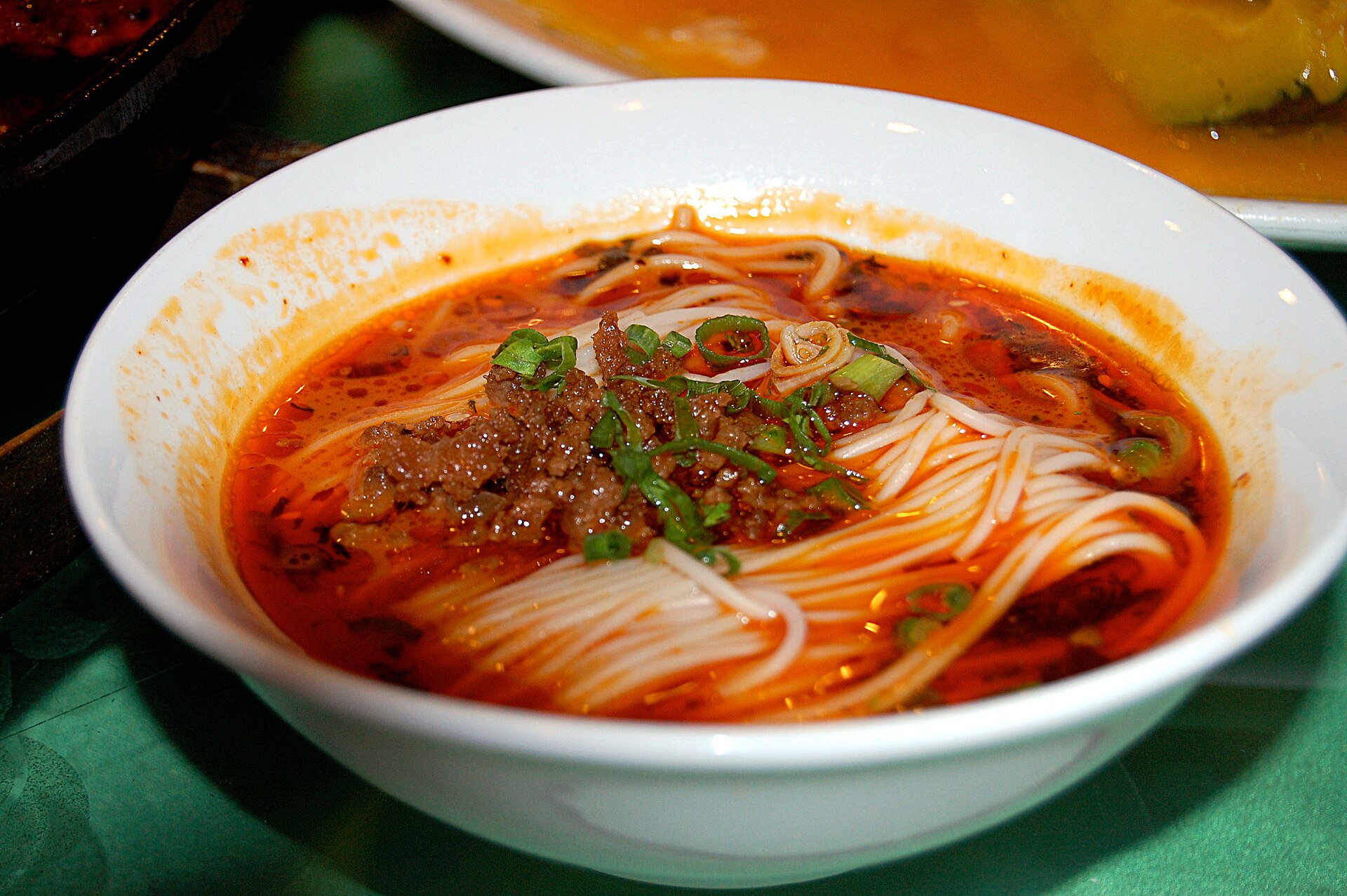
Beijing Eggplant Noodles is a regional Chinese dish added to Jiating Kitchen’s cuisine library for readers who want to explore beyond the familiar takeout menu. This version is written for Western home kitchens with practical grocery notes and a clear cooking flow.
Shopping notes
Core pantry for this cuisine: sweet bean sauce, scallions, cucumbers, sesame paste, wheat noodles, vinegar, garlic. Use hoisin plus a little miso if sweet bean sauce is hard to find.
Ingredients
- 1 to 1 1/2 lb main protein, tofu, seafood, noodles, rice, or vegetables depending on the dish
- 2 tbsp neutral high-heat oil such as avocado, canola, peanut, or grapeseed oil
- 2 cloves garlic, minced
- 1-inch piece fresh ginger, minced or sliced
- 2 scallions, sliced
- 1 to 2 tbsp light soy sauce, adjusted to taste
- 1 tbsp Shaoxing wine or dry sherry
- Salt, white pepper, sugar, vinegar, chilies, or aromatics to match the dish style
Step-by-step instructions
Step 1
Prep the filling, noodles, or dough
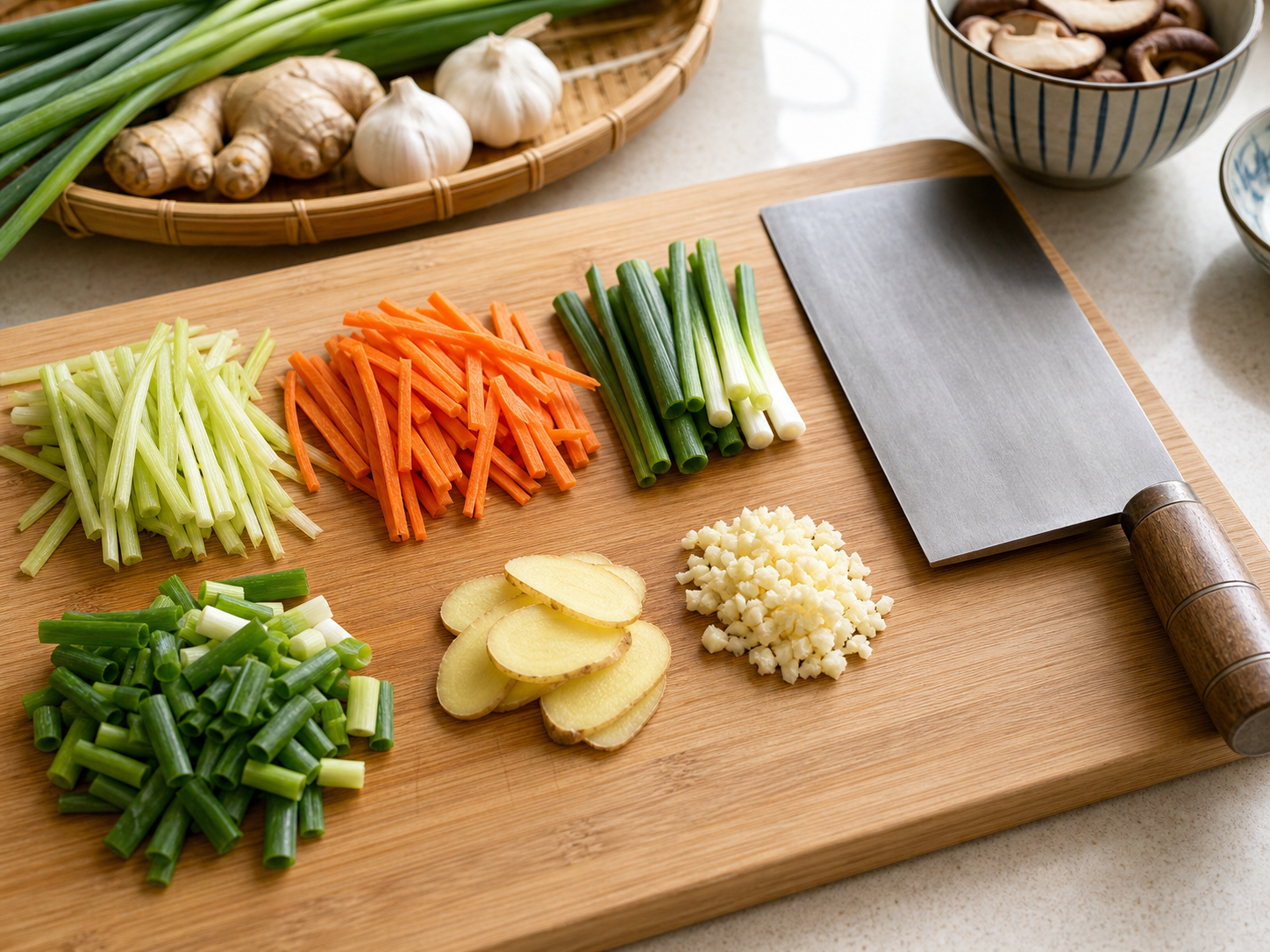
Cut and measure everything before heating the wok. Prepare Chinese or globe eggplant cut into batons, fresh or dried noodles cooked until just tender. Slice vegetables into similar thickness so they cook evenly. Keep garlic, ginger, scallions, sauces, and any cornstarch slurry in separate small bowls; Chinese cooking moves fast once the pan is hot. If using noodles or wrappers, keep them covered so they do not dry out.
Step 2
Bring water or broth to the right boil
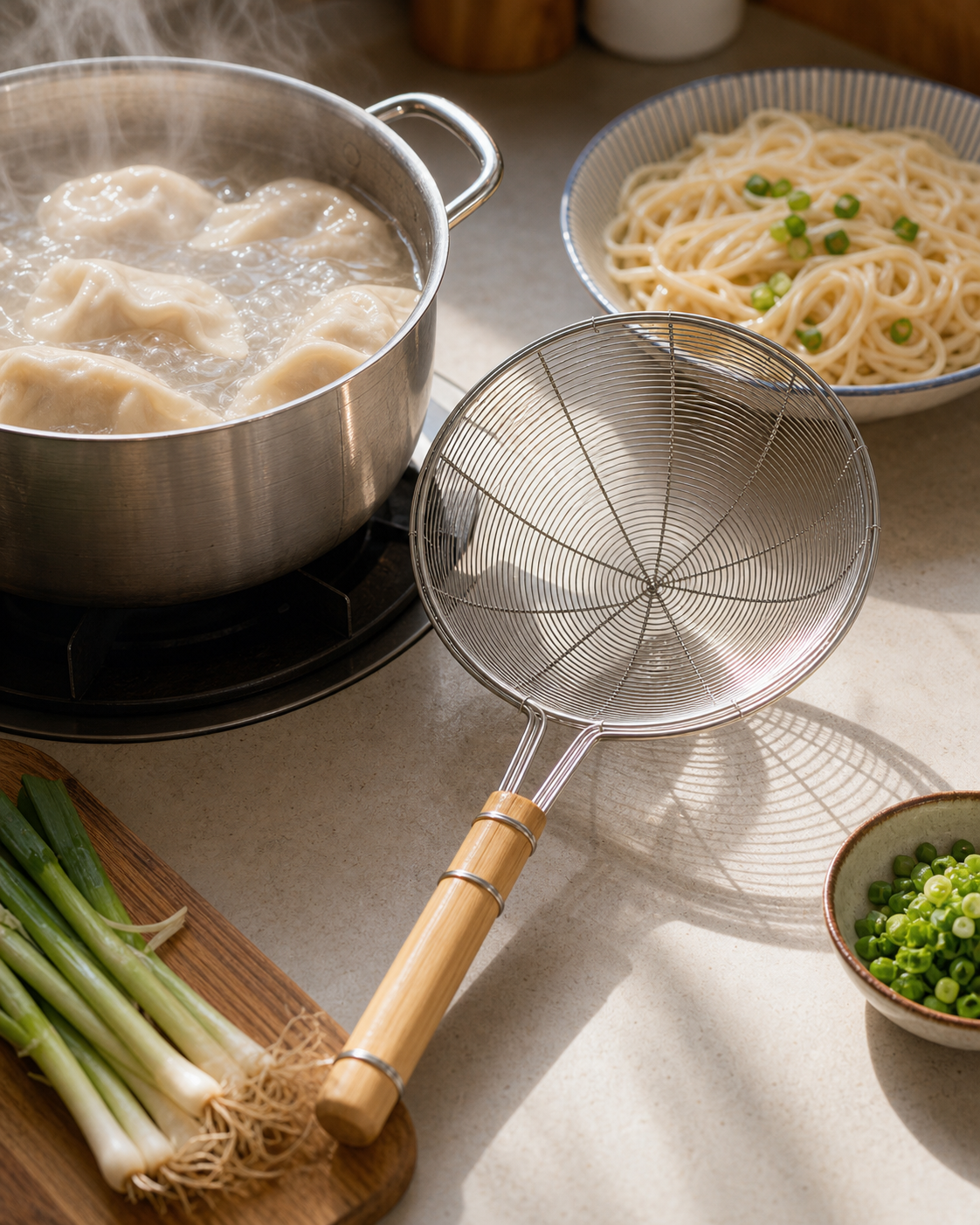
Use a large pot so the food has room to move. Bring water or broth to a full boil over high heat. Season lightly if the food itself is plain; keep dipping sauces or finishing sauces nearby.
Step 3
Cook without crowding
Add noodles, dumplings, wontons, or vegetables in batches. Stir gently for the first 20 seconds so they do not stick. Noodles usually take 2 to 5 minutes; dumplings and wontons usually take 5 to 8 minutes, depending on size.
Step 4
Check doneness and drain
Taste one piece before draining. Noodles should be tender but springy; dumpling wrappers should look translucent and the filling should be cooked through. Lift with a spider strainer and shake off extra water.
Step 5
Sauce, garnish, and serve
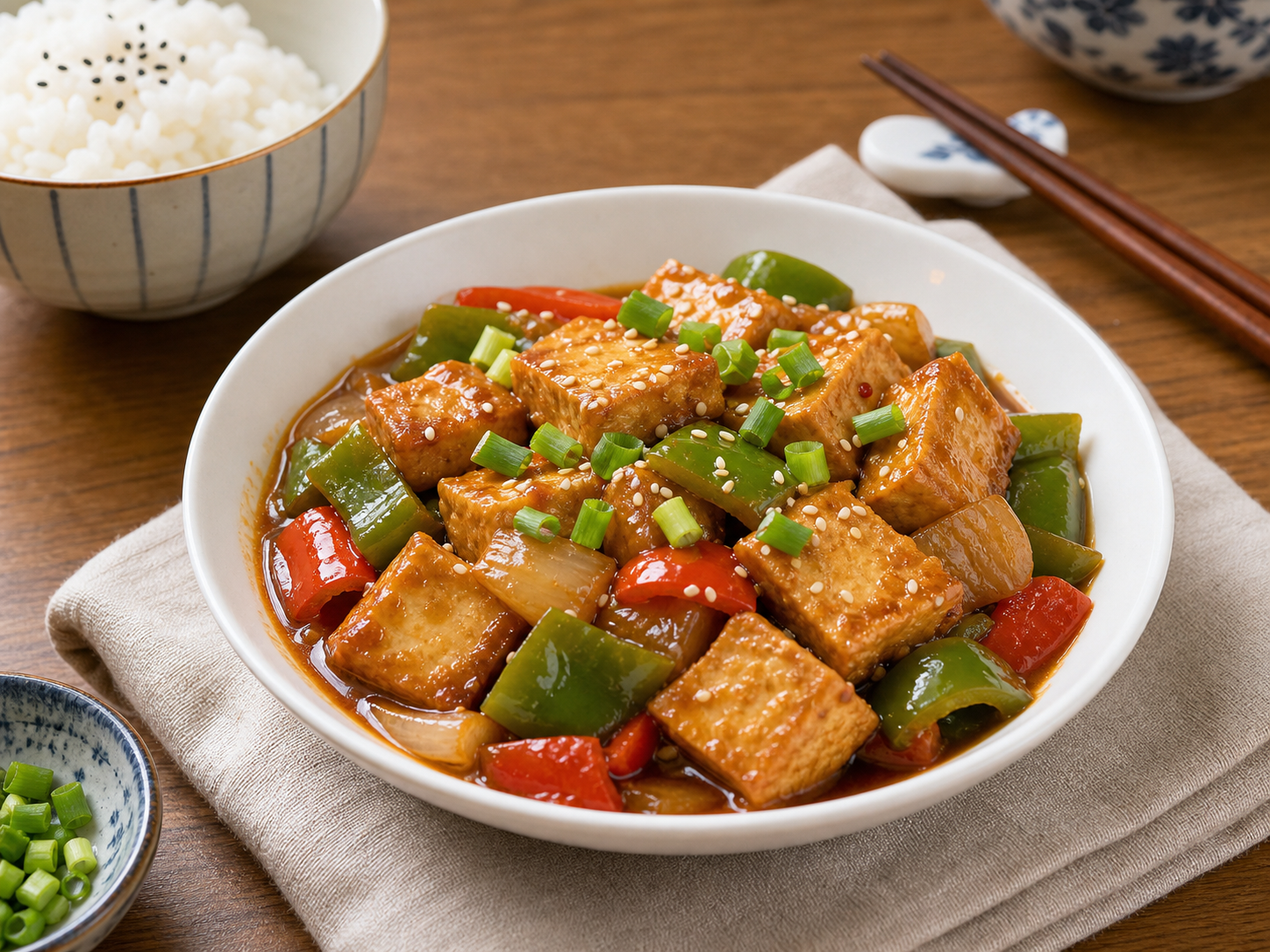
Toss with sauce while hot or ladle into broth. Finish with scallions, chili oil, sesame oil, vinegar, or white pepper. finish with chili oil and a tiny splash of vinegar if the dish tastes flat. Serve immediately before noodles soften or wrappers stick together.
Step 2
Bring water or broth to the right boil
Use a large pot so the food has room to move. Bring water or broth to a full boil over high heat. Season lightly if the food itself is plain; keep dipping sauces or finishing sauces nearby.
Step 3
Cook without crowding
Add noodles, dumplings, wontons, or vegetables in batches. Stir gently for the first 20 seconds so they do not stick. Noodles usually take 2 to 5 minutes; dumplings and wontons usually take 5 to 8 minutes, depending on size.
Step 4
Check doneness and drain
Taste one piece before draining. Noodles should be tender but springy; dumpling wrappers should look translucent and the filling should be cooked through. Lift with a spider strainer and shake off extra water.
Step 5
Sauce, garnish, and serve
Toss with sauce while hot or ladle into broth. Finish with scallions, chili oil, sesame oil, vinegar, or white pepper. finish with chili oil and a tiny splash of vinegar if the dish tastes flat. Serve immediately before noodles soften or wrappers stick together.