Chinese Kitchen Tools
The essential tools for cooking Chinese food at home.
You do not need a restaurant kitchen to cook good Chinese food. Start with a few reliable tools, learn what each one does well, and build your kitchen around stir-frying, steaming, boiling, braising, rice, noodles, and dumplings.
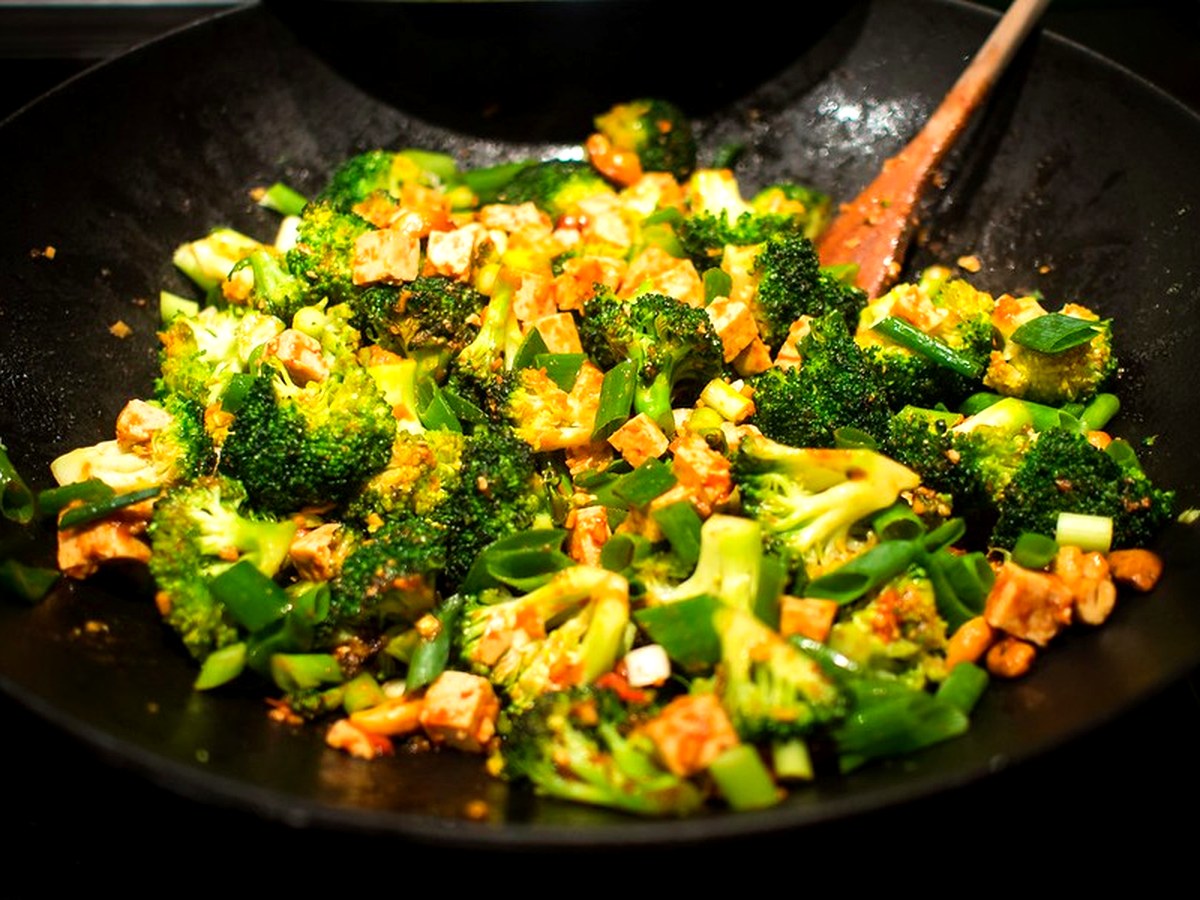
炒锅 · Chao Guo
Carbon Steel Wok
Best for stir-fries, fried rice, chow mein, shallow frying, steaming with a rack, and quick vegetable dishes.
- Material: carbon steel is traditional because it heats quickly, cools quickly, and develops a natural nonstick seasoning.
- Good size: 14 inches is the most useful size for Western home stoves.
- How to use: preheat until hot, add oil, then cook in small batches so food sears instead of steaming.
- Culture: the wok is the heart of many Chinese kitchens. Its curved shape supports speed, movement, and the prized aroma called wok hei.
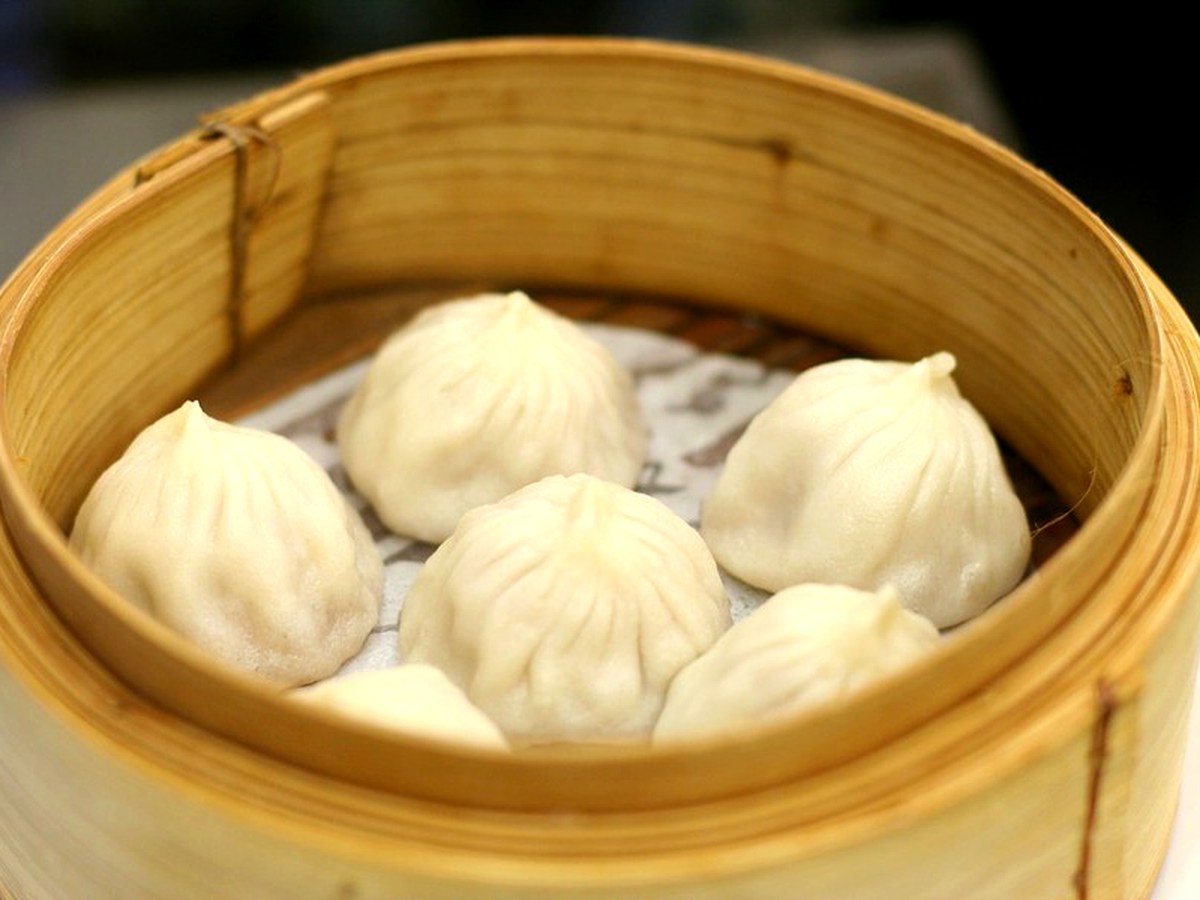
蒸笼 · Zheng Long
Bamboo Steamer
Best for dumplings, bao, shumai, fish, eggs, tofu, sticky rice, and reheating leftovers gently.
- Material: bamboo absorbs condensation, so food stays tender instead of watery.
- Good size: 10 inches fits many woks and large pots.
- How to use: line with cabbage leaves or parchment, keep water below the food, and let the steam circulate.
- Culture: steaming is central to dim sum, breakfast shops, and home cooking because it preserves freshness and texture.
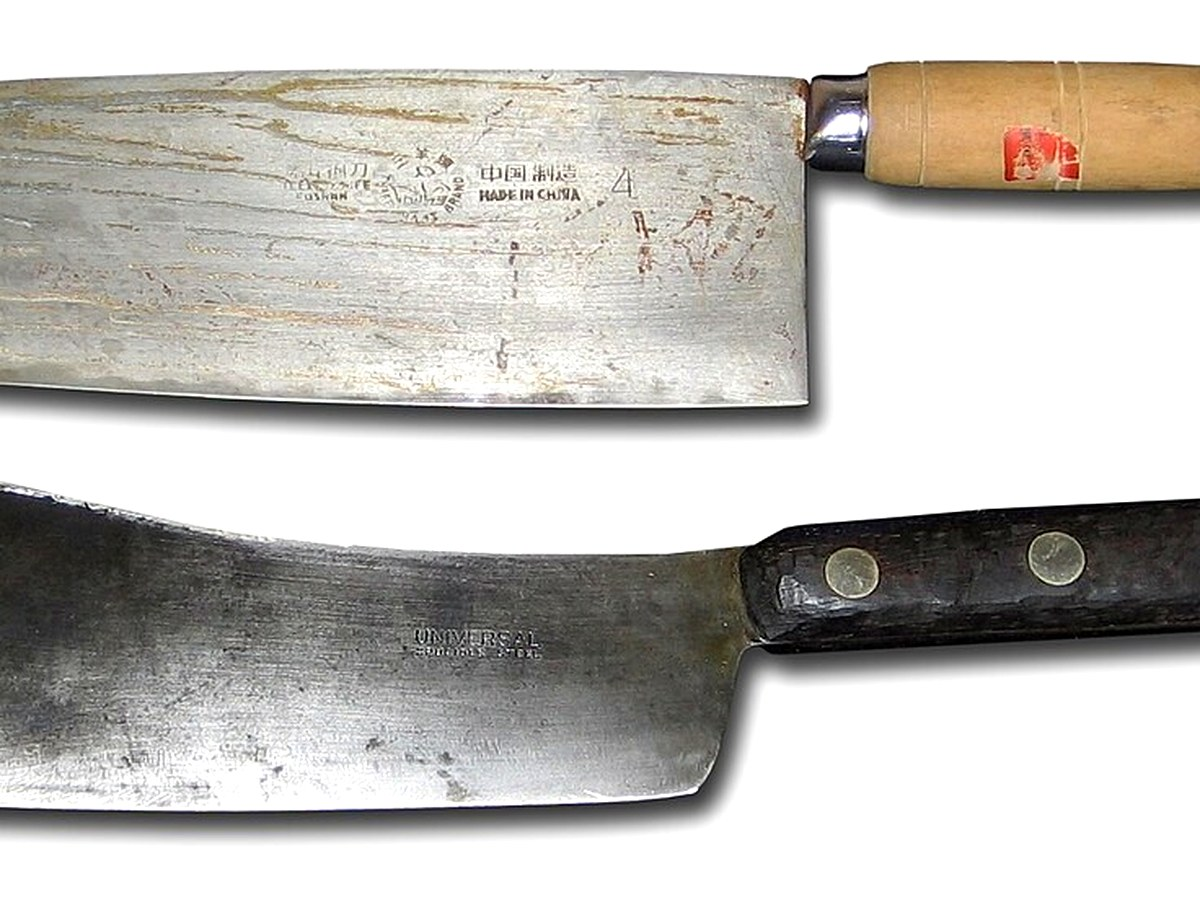
菜刀 · Cai Dao
Chinese Cleaver
Best for slicing vegetables, cutting boneless meat, mincing aromatics, smashing garlic, and transferring food from board to wok.
- Material: stainless steel is easier to maintain; carbon steel gets sharper and needs drying after use.
- Important: a cai dao is a vegetable cleaver, not a bone cleaver. Do not chop through hard bones unless the knife is made for that.
- How to use: use the flat side to crush garlic and the wide blade to scoop chopped ingredients.
- Culture: many Chinese cooks rely on one broad knife for nearly every prep task, which makes cutting fast and efficient.
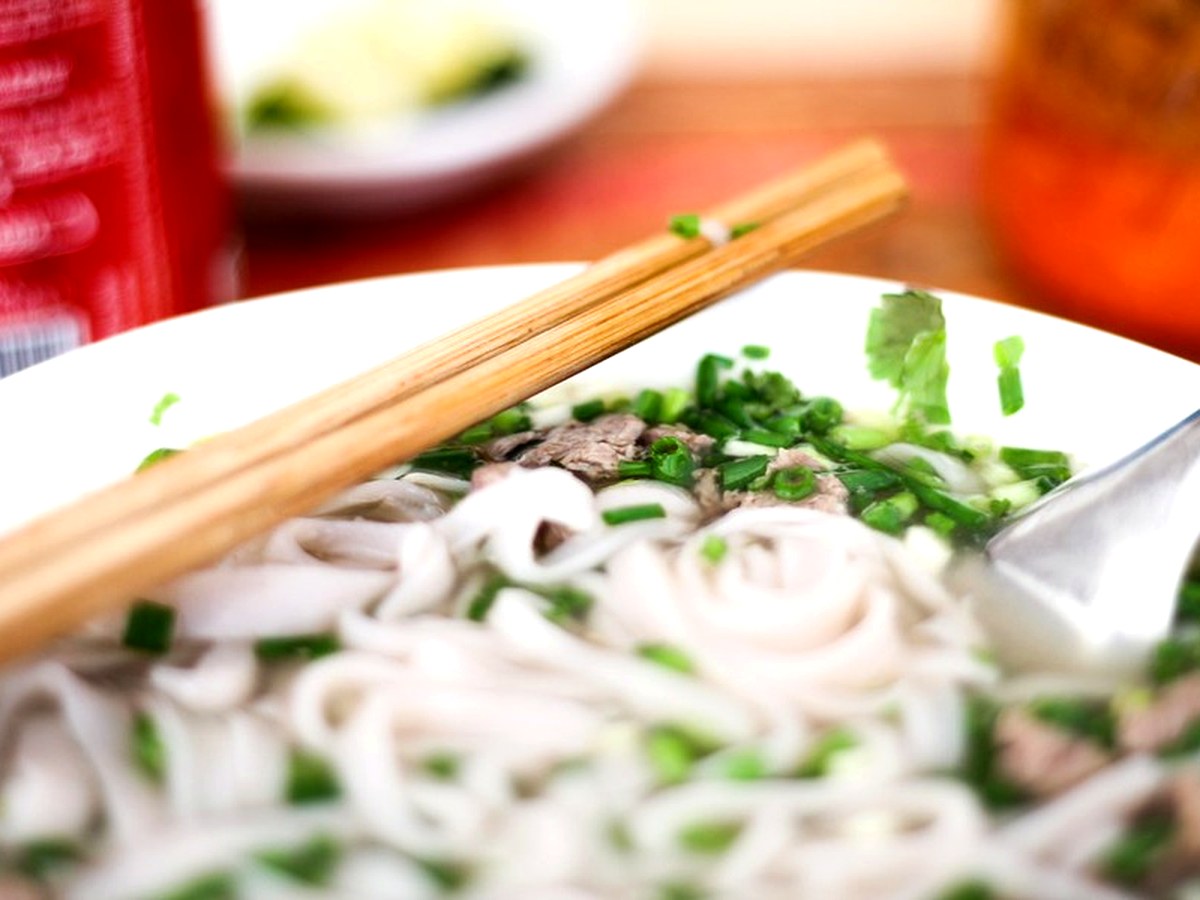
长筷 · Chang Kuai
Long Cooking Chopsticks
Best for stirring noodles, beating eggs, turning small fried foods, mixing batters, and arranging delicate ingredients.
- Material: bamboo or wood is light and gentle on cookware; stainless steel is durable but conducts heat.
- Good length: 13 to 16 inches keeps your hand farther from steam and oil.
- How to use: use them when tongs feel too rough or too bulky.
- Culture: chopsticks are not only tableware. In many homes they are also a precise cooking tool.
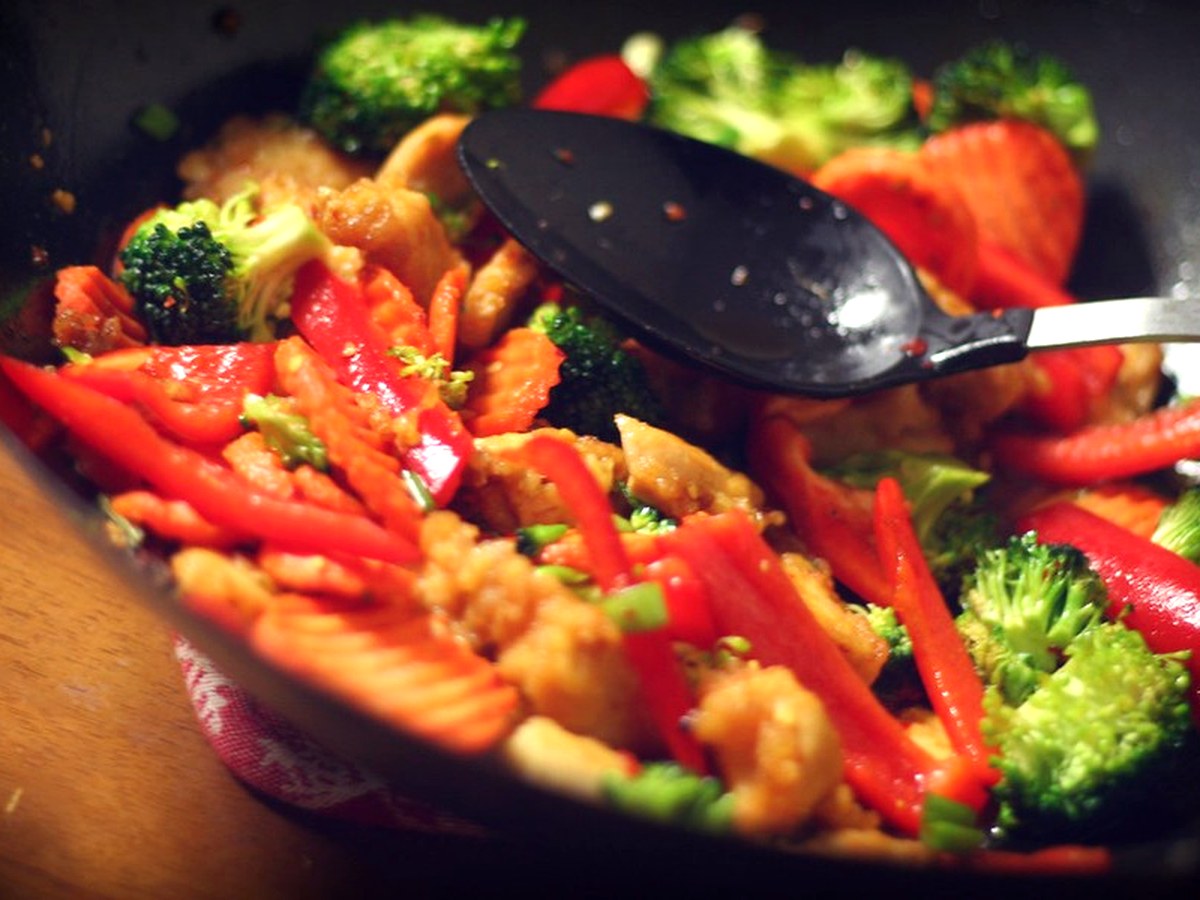
锅铲 · Guo Chan
Wok Spatula
Best for tossing fried rice, turning stir-fries, scraping sauce from the curve of the wok, and moving food quickly.
- Material: stainless steel or carbon steel works well with carbon steel woks; use wood or silicone for nonstick pans.
- Shape: a slightly curved edge follows the wok better than a flat Western spatula.
- How to use: scoop from the bottom and fold upward to keep ingredients moving.
- Culture: the rhythm of wok spatula and wok is part of the sound of Chinese restaurant cooking.
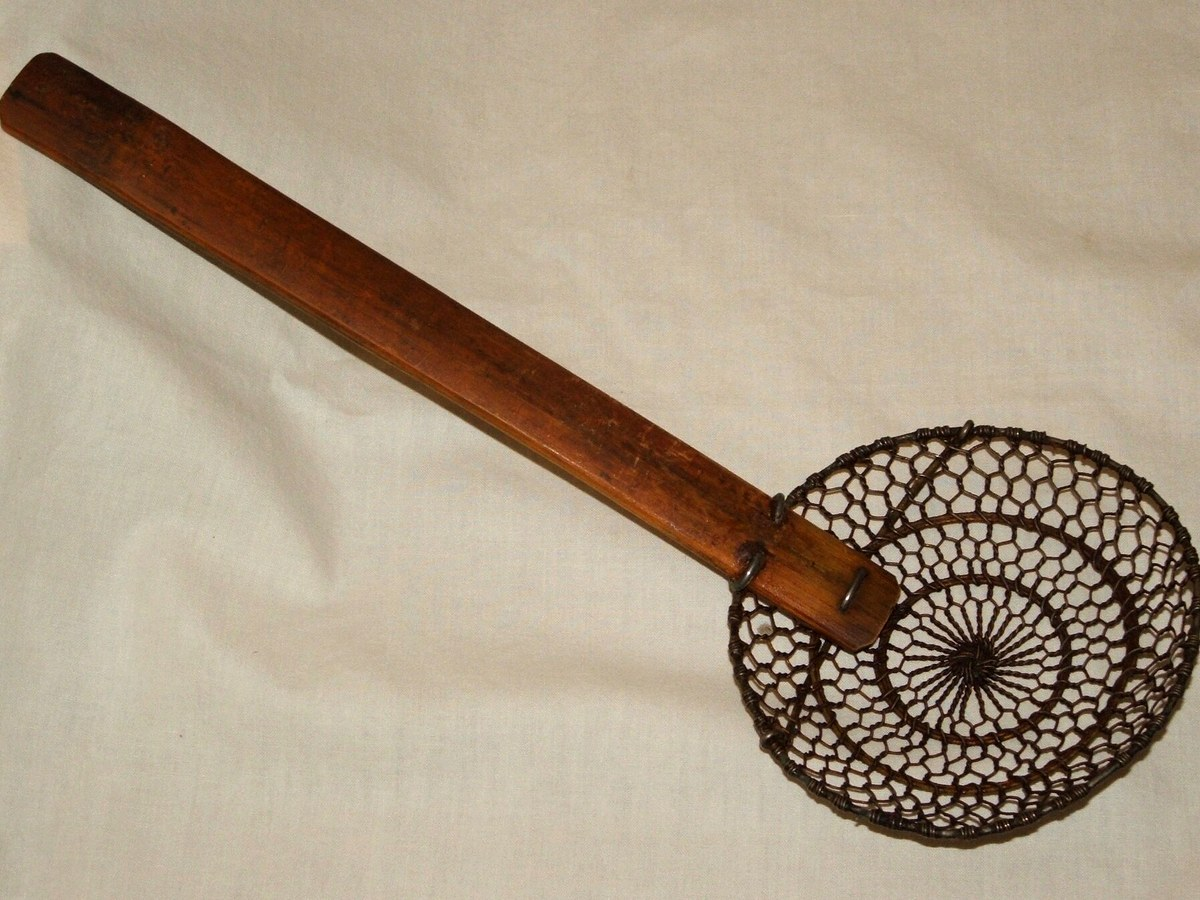
漏勺 · Lou Shao
Spider Strainer
Best for lifting dumplings, wontons, noodles, fried peanuts, blanched vegetables, and crispy fried pieces.
- Material: stainless steel wire with a bamboo or wood handle is common.
- Why it helps: the open wire drains water or oil quickly without crushing delicate food.
- How to use: keep it near the pot before cooking; dumplings and noodles can overcook while you search for a tool.
- Culture: noodle shops and dumpling kitchens use strainers constantly because boiling and blanching are everyday techniques.
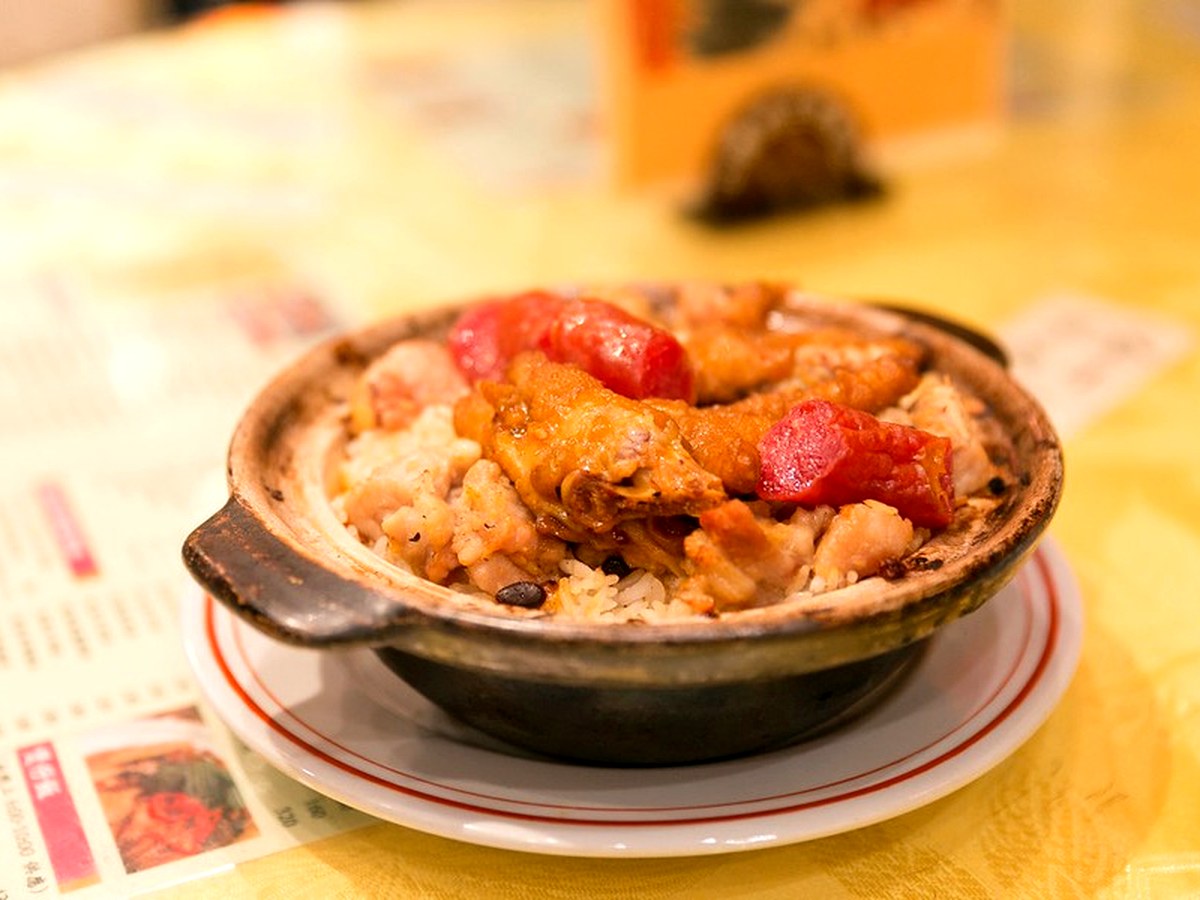
砂锅 · Sha Guo
Clay Pot
Best for soups, braises, clay pot rice, tofu casseroles, medicinal broths, and slow warming dishes.
- Material: clay or ceramic holds gentle heat and keeps food warm at the table.
- Care: avoid sudden temperature shock; start low and warm gradually.
- How to use: simmer gently rather than blasting with high heat.
- Culture: clay pots are associated with warmth, comfort, winter meals, and sharing directly from the pot.
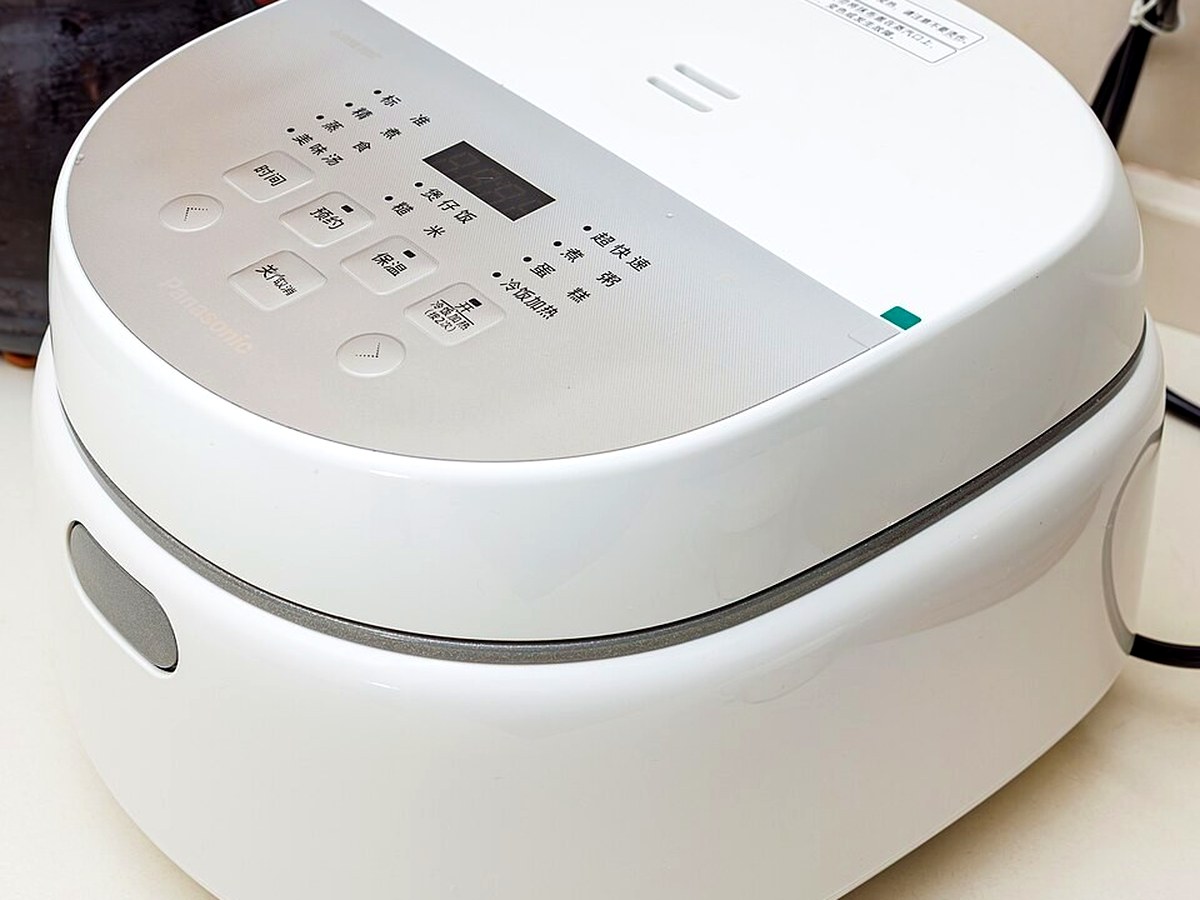
电饭煲 · Dian Fan Bao
Rice Cooker
Best for steamed rice, congee, mixed rice, simple soups, steamed eggs, and keeping rice warm during dinner.
- Material: most use an electric heating base with an inner aluminum, stainless, ceramic, or nonstick-coated pot.
- What to look for: reliable warm mode, easy cleaning, and a capacity that matches your household.
- How to use: rinse rice until the water is less cloudy, then use the cup and water lines that come with the cooker.
- Culture: rice is the center of many Chinese meals, and the rice cooker makes daily meals calmer and more consistent.
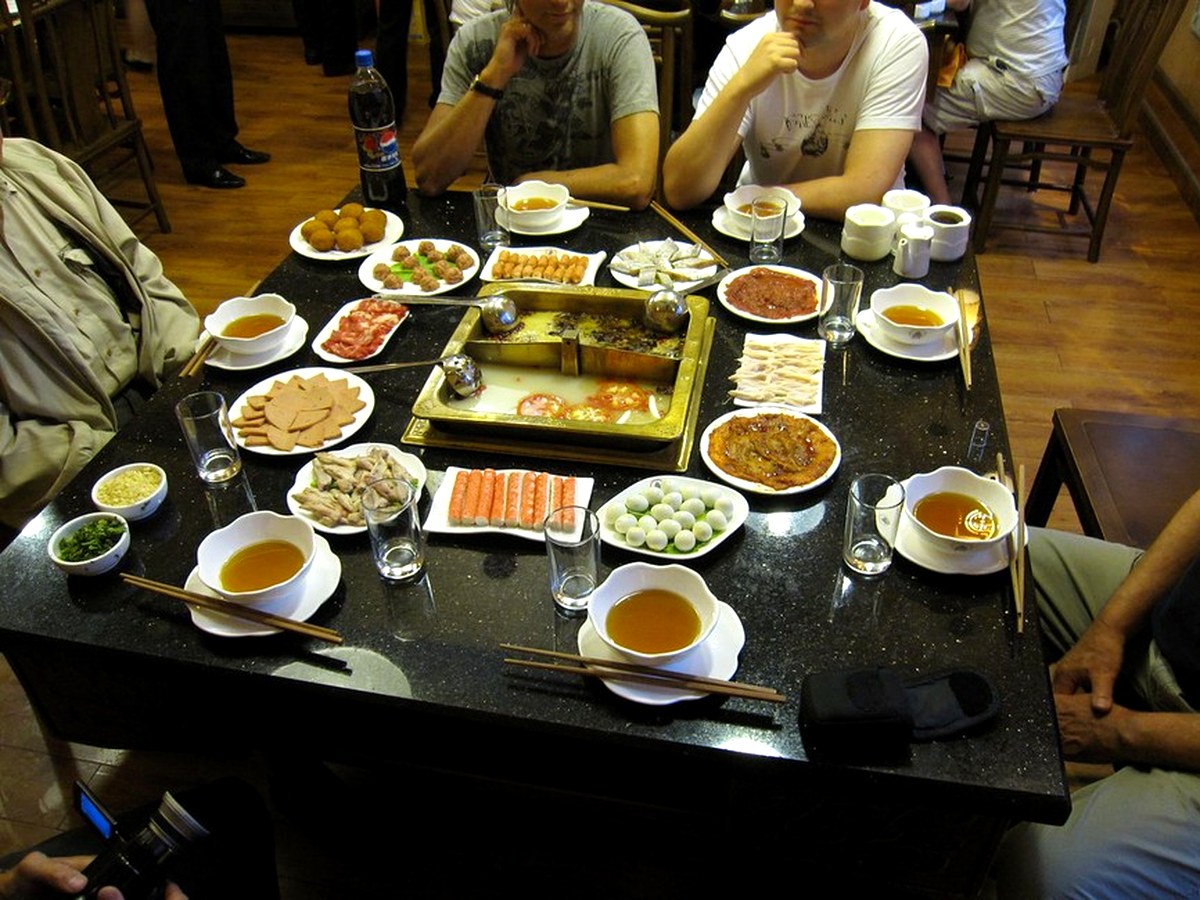
火锅 · Huo Guo
Hot Pot
Best for communal meals with sliced meat, seafood, tofu, greens, mushrooms, noodles, and dipping sauces.
- Material: stainless steel is practical; copper heats beautifully; divided pots let you serve spicy and mild broths together.
- Setup: use an induction burner or portable electric hot pot for the table.
- How to use: cook thin ingredients briefly and keep raw and cooked utensils separate.
- Culture: hot pot is about gathering. The meal happens slowly, around the table, with everyone cooking and talking together.
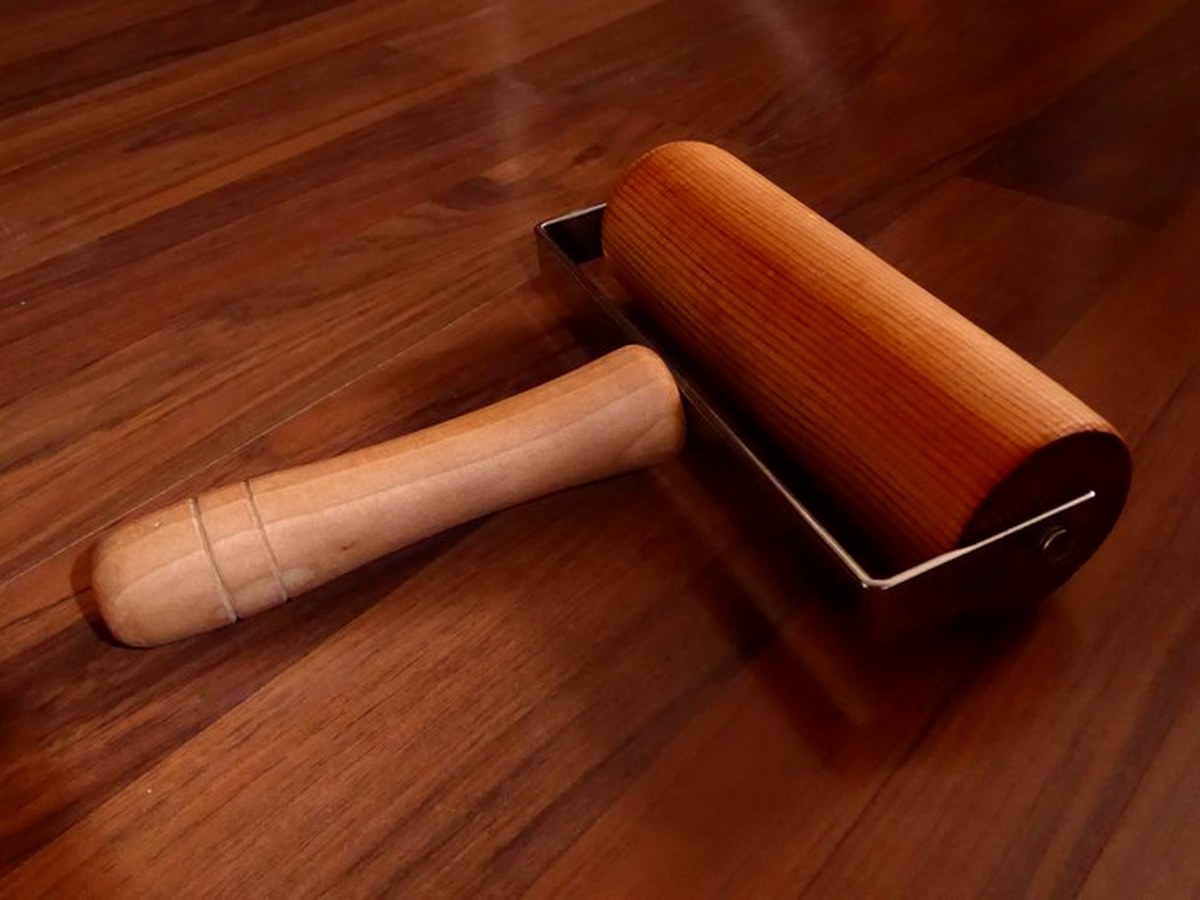
擀面杖 · Gan Mian Zhang
Small Rolling Pin
Best for dumpling wrappers, scallion pancakes, hand pies, noodles, and thin flatbreads.
- Material: smooth hardwood is traditional, durable, and easy to control.
- Why small: a short pin lets you roll the wrapper edges thinner while keeping the center slightly thicker.
- How to use: rotate the dough with one hand and roll outward with the other.
- Culture: handmade dumplings are tied to family gatherings, Lunar New Year, and the pleasure of cooking together.