Xinjiang Cuisine · cumin, lamb, noodles, Central Asian influence
Xinjiang Potato Stew Recipe
土豆炖羊肉
Xinjiang Potato Stew is a regional Chinese dish added to Jiating Kitchen’s cuisine library for readers who want to explore beyond the familiar takeout menu. This version is written for Western home kitchens with practical grocery notes and a clear cooking flow.
Shopping notes
Core pantry for this cuisine: cumin, chili flakes, lamb, onions, bell peppers, hand-pulled noodles, tomatoes, black vinegar. Use beef or chicken if lamb is hard to find; use fresh pappardelle or wide noodles instead of hand-pulled noodles.
Ingredients
- 1 to 1 1/2 lb main protein, tofu, seafood, noodles, rice, or vegetables depending on the dish
- 2 tbsp neutral high-heat oil such as avocado, canola, peanut, or grapeseed oil
- 2 cloves garlic, minced
- 1-inch piece fresh ginger, minced or sliced
- 2 scallions, sliced
- 1 to 2 tbsp light soy sauce, adjusted to taste
- 1 tbsp Shaoxing wine or dry sherry
- Salt, white pepper, sugar, vinegar, chilies, or aromatics to match the dish style
Step-by-step instructions
Step 1
Prep the ingredients
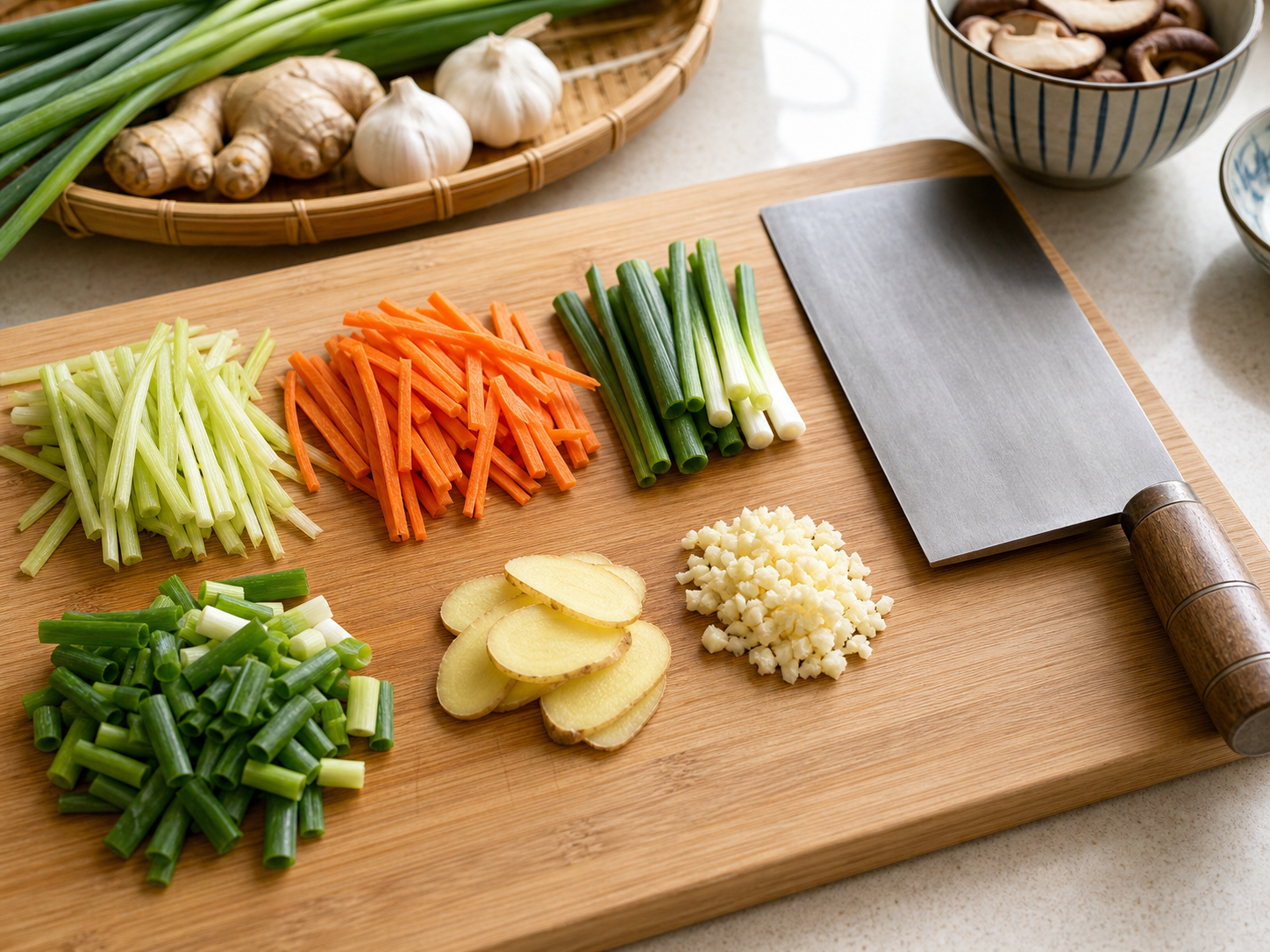
Cut and measure everything before heating the wok. Prepare the main ingredient cut into even bite-size pieces. Slice vegetables into similar thickness so they cook evenly. Keep garlic, ginger, scallions, sauces, and any cornstarch slurry in separate small bowls; Chinese cooking moves fast once the pan is hot.
Step 2
Bloom the aromatics
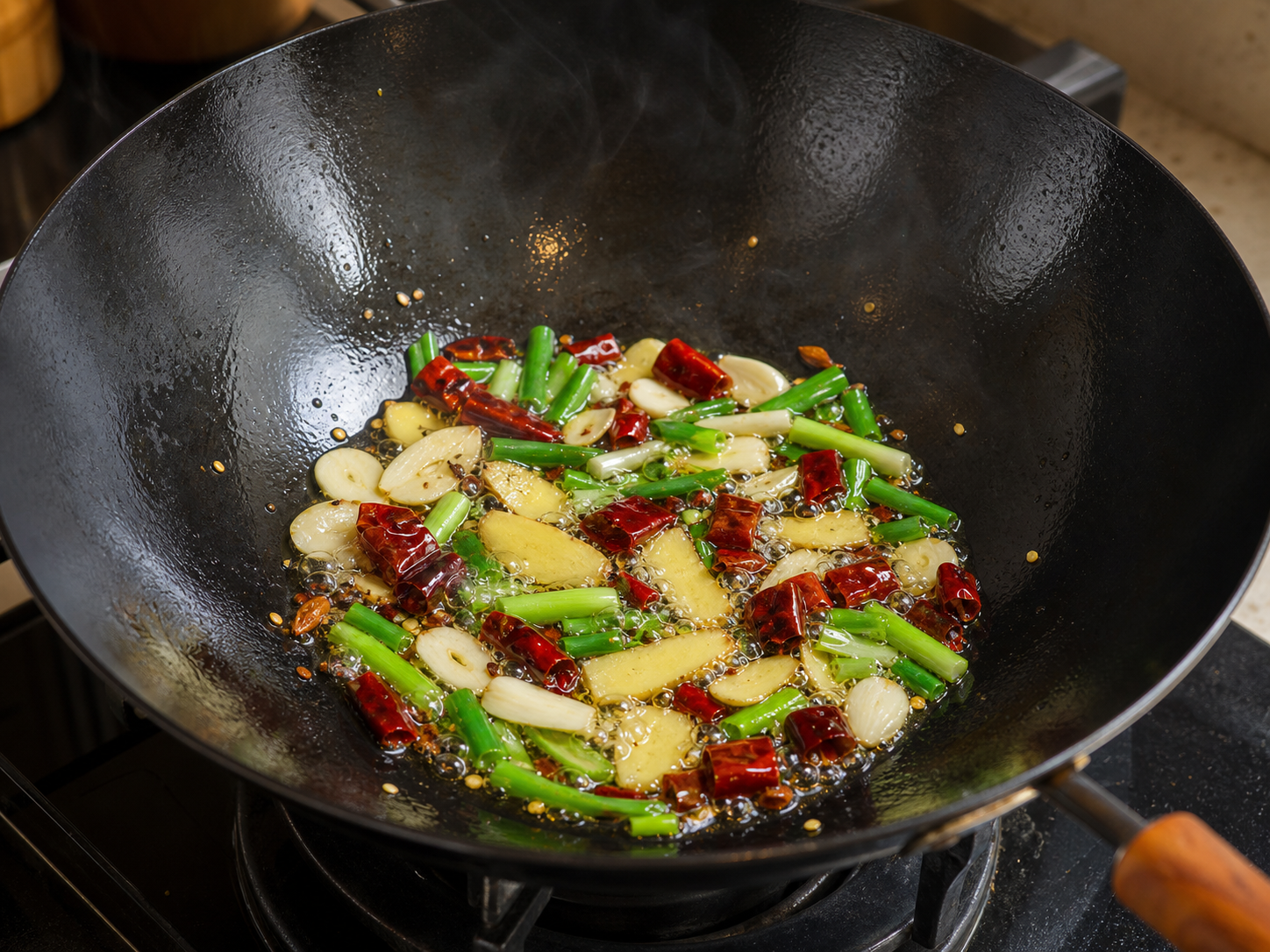
Set a wok or wide skillet over medium-high heat for 60 to 90 seconds, then add 1 to 2 tablespoons neutral oil. Add the aromatics for Cantonese: ginger, scallions, light soy sauce, oyster sauce, Shaoxing wine, white pepper. Stir for 20 to 40 seconds, just until fragrant. If garlic darkens quickly, lower the heat right away.
Step 3
Add liquid and main ingredients
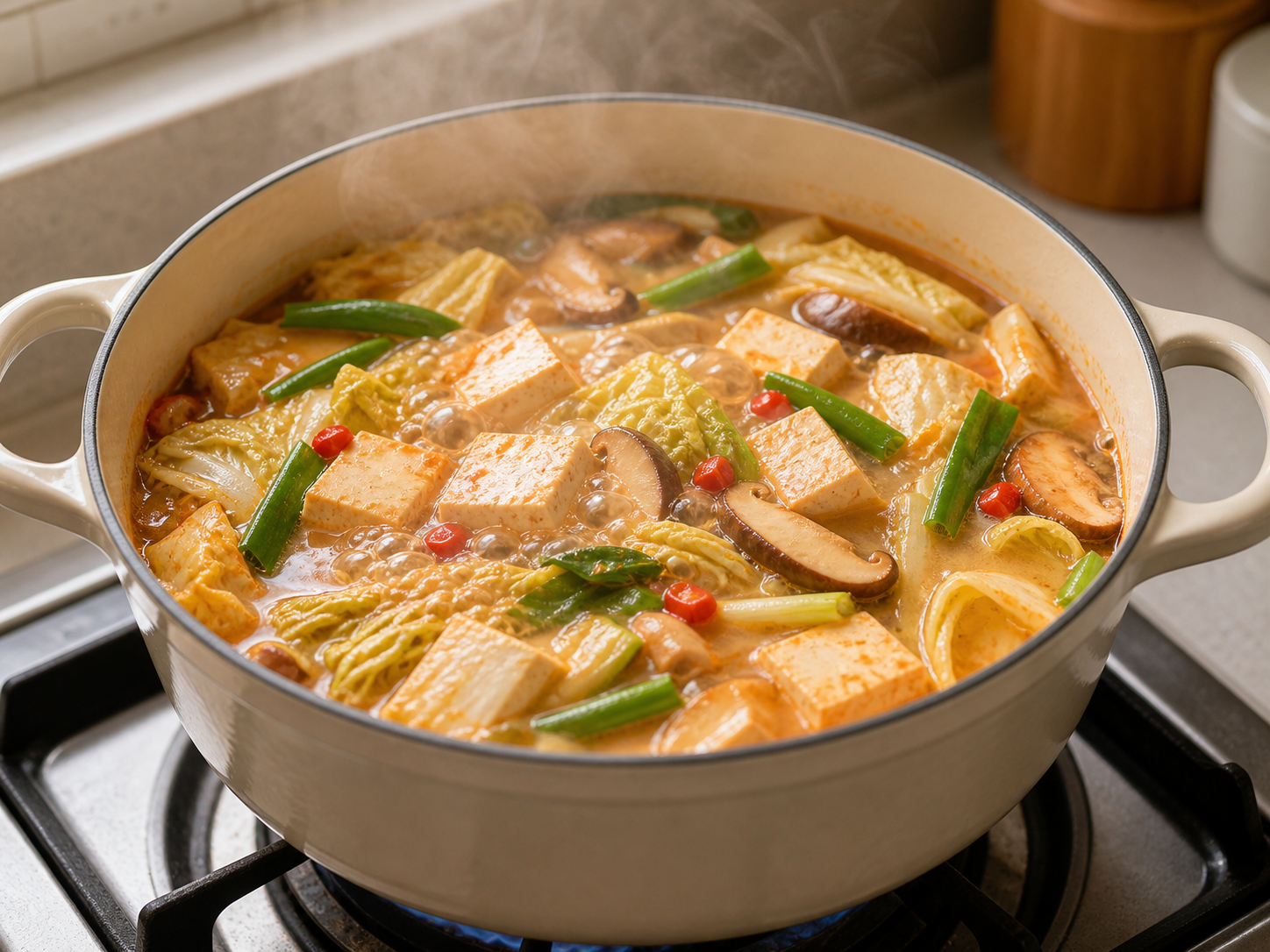
Add the main ingredient and enough stock, water, or sauce to come partway up the food. Bring to a steady boil over high heat, then immediately reduce to medium or medium-low so the surface bubbles gently instead of violently.
Step 4
Simmer until the texture is right
Cook gently for 8 to 18 minutes depending on the ingredient: tofu and vegetables need less time, chicken or pork pieces need more. Stir occasionally. The dish is ready when the sauce tastes rounded and the main ingredient is tender all the way through.
Step 5
Adjust and serve
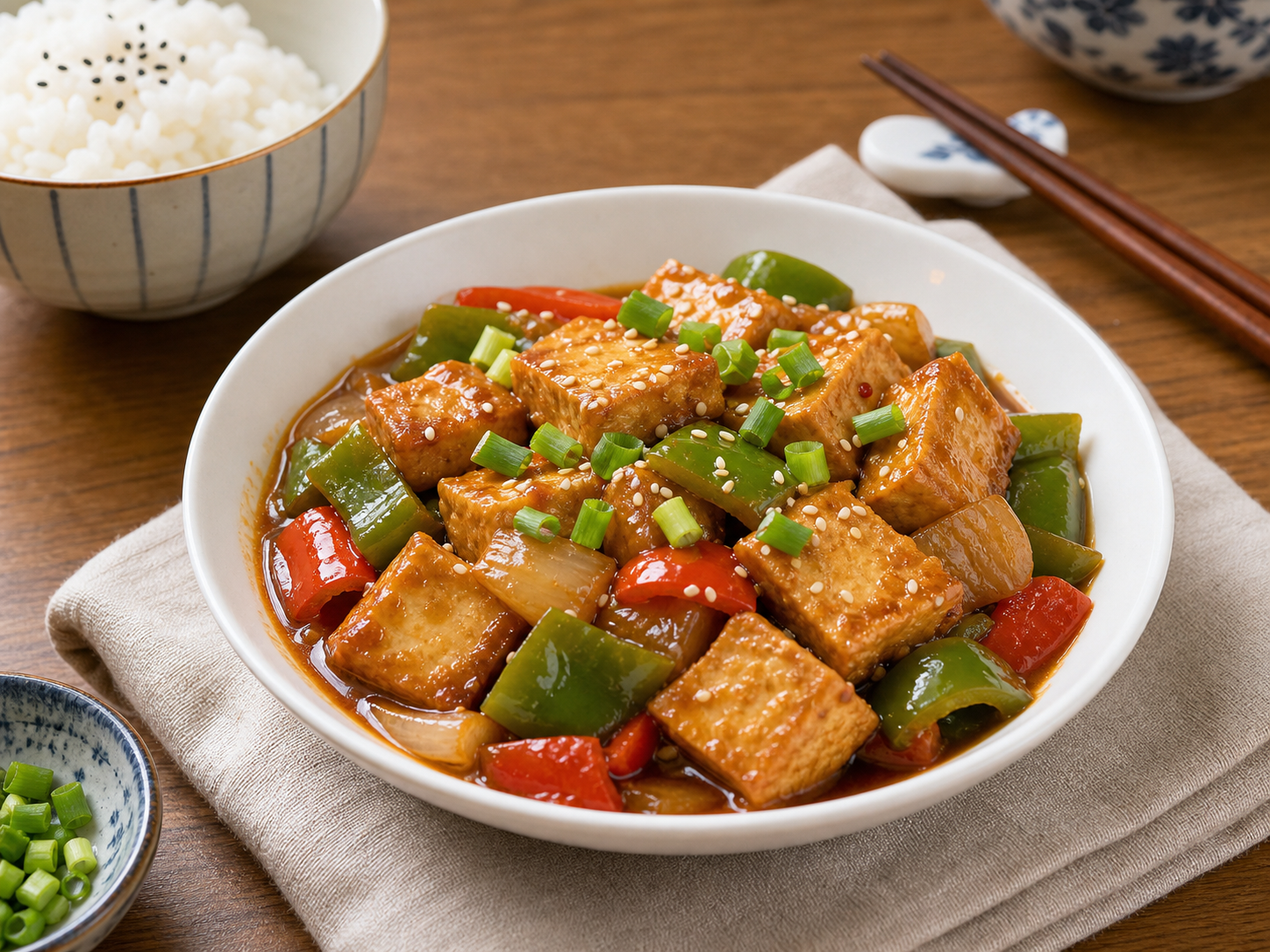
Taste the broth or sauce. Add soy sauce for salt, vinegar for lift, sugar for roundness, or chili oil for heat. keep sauce glossy and light; avoid overcooking. Serve hot with rice, noodles, or a simple green vegetable side.
Step 2
Bloom the aromatics
Set a wok or wide skillet over medium-high heat for 60 to 90 seconds, then add 1 to 2 tablespoons neutral oil. Add the aromatics for Cantonese: ginger, scallions, light soy sauce, oyster sauce, Shaoxing wine, white pepper. Stir for 20 to 40 seconds, just until fragrant. If garlic darkens quickly, lower the heat right away.
Step 3
Add liquid and main ingredients
Add the main ingredient and enough stock, water, or sauce to come partway up the food. Bring to a steady boil over high heat, then immediately reduce to medium or medium-low so the surface bubbles gently instead of violently.
Step 4
Simmer until the texture is right
Cook gently for 8 to 18 minutes depending on the ingredient: tofu and vegetables need less time, chicken or pork pieces need more. Stir occasionally. The dish is ready when the sauce tastes rounded and the main ingredient is tender all the way through.
Step 5
Adjust and serve
Taste the broth or sauce. Add soy sauce for salt, vinegar for lift, sugar for roundness, or chili oil for heat. keep sauce glossy and light; avoid overcooking. Serve hot with rice, noodles, or a simple green vegetable side.